

DETERMINE: A multiphase iterative meta-framework for teaching sustainable spatial planning of tourism destinations

The paper titled “DETERMINE: A multiphase iterative meta-framework for teaching sustainable spatial planning of tourism destinations”, summarising and further developing the pedagogical and planning achievements of SPOT, has now been published in the Journal of Hospitality, Leisure, Sport & Tourism Education.

What happens to a project after the project ends?

SPOT – Sustainable Spatial Planning of Tourism Destinations – officially ended in 2022. However, the completion of the Erasmus+ project did not bring an end to the discussions, ideas and methodological developments initiated through our collaboration. Some of them continued to evolve long after the formal project activities had been completed.

Taking sustainability seriously also means taking education seriously

SPOT was built around a relatively simple idea: if we take sustainability seriously, we also need to take seriously how we teach it. Sustainable spatial planning of tourism destinations is inherently complex. Tourism development interacts with environmental, social, cultural and economic processes, while planning decisions involve different actors, interests and spatial scales. For this reason, sustainable spatial planning cannot be taught only through textbooks, theoretical models or ready-made solutions.

Instead, students need opportunities to engage with real places, real problems and real stakeholders. They need to become active participants in the learning process, applying planning methods to actual destination challenges, confronting theoretical knowledge with local realities and discussing possible solutions with the people affected by them.

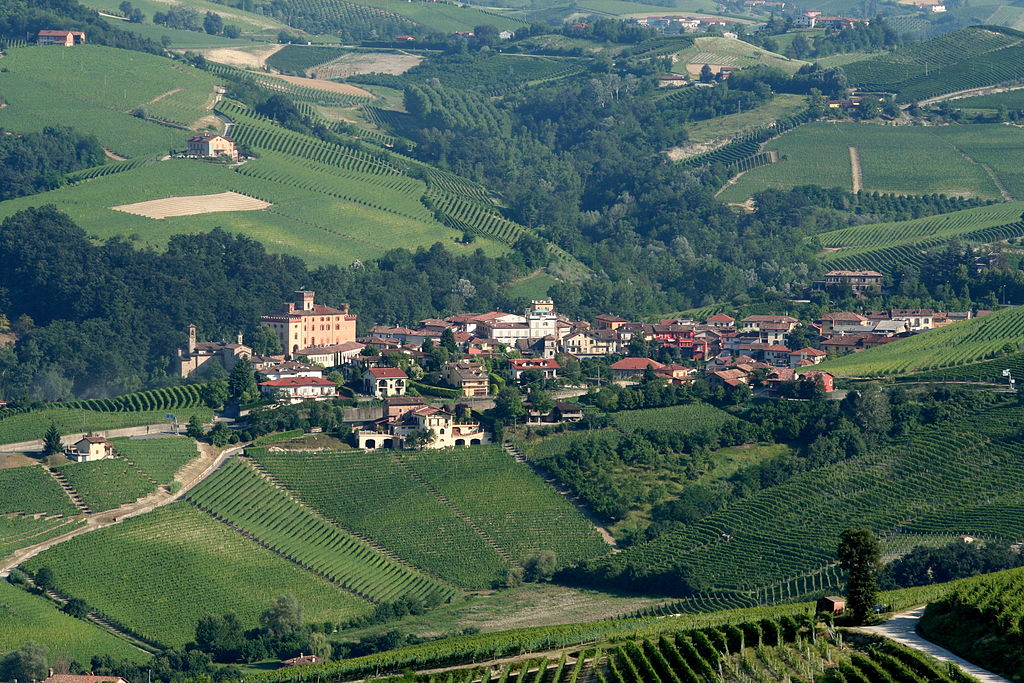
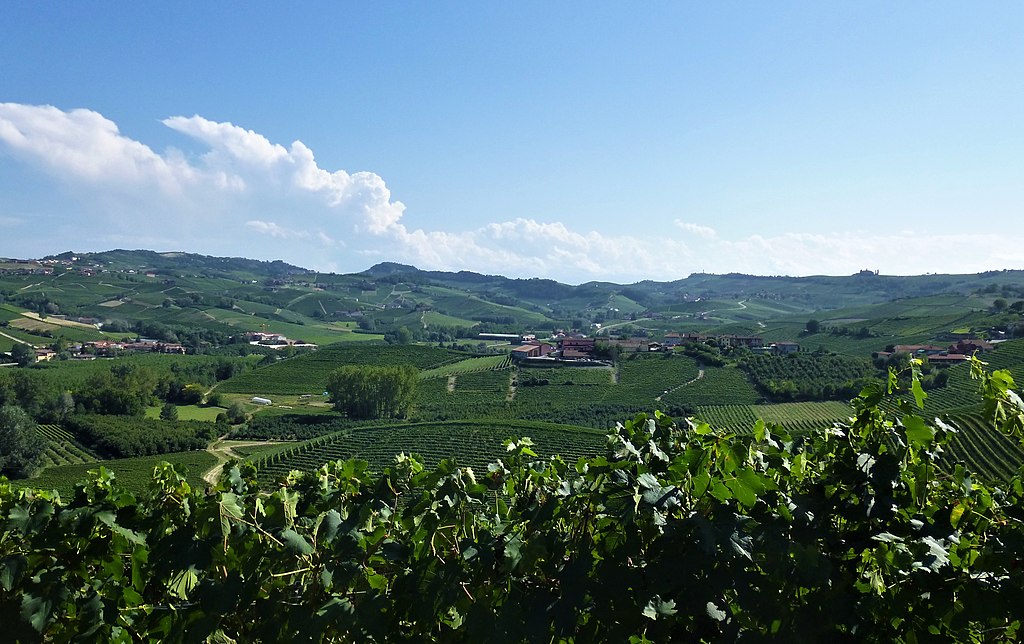
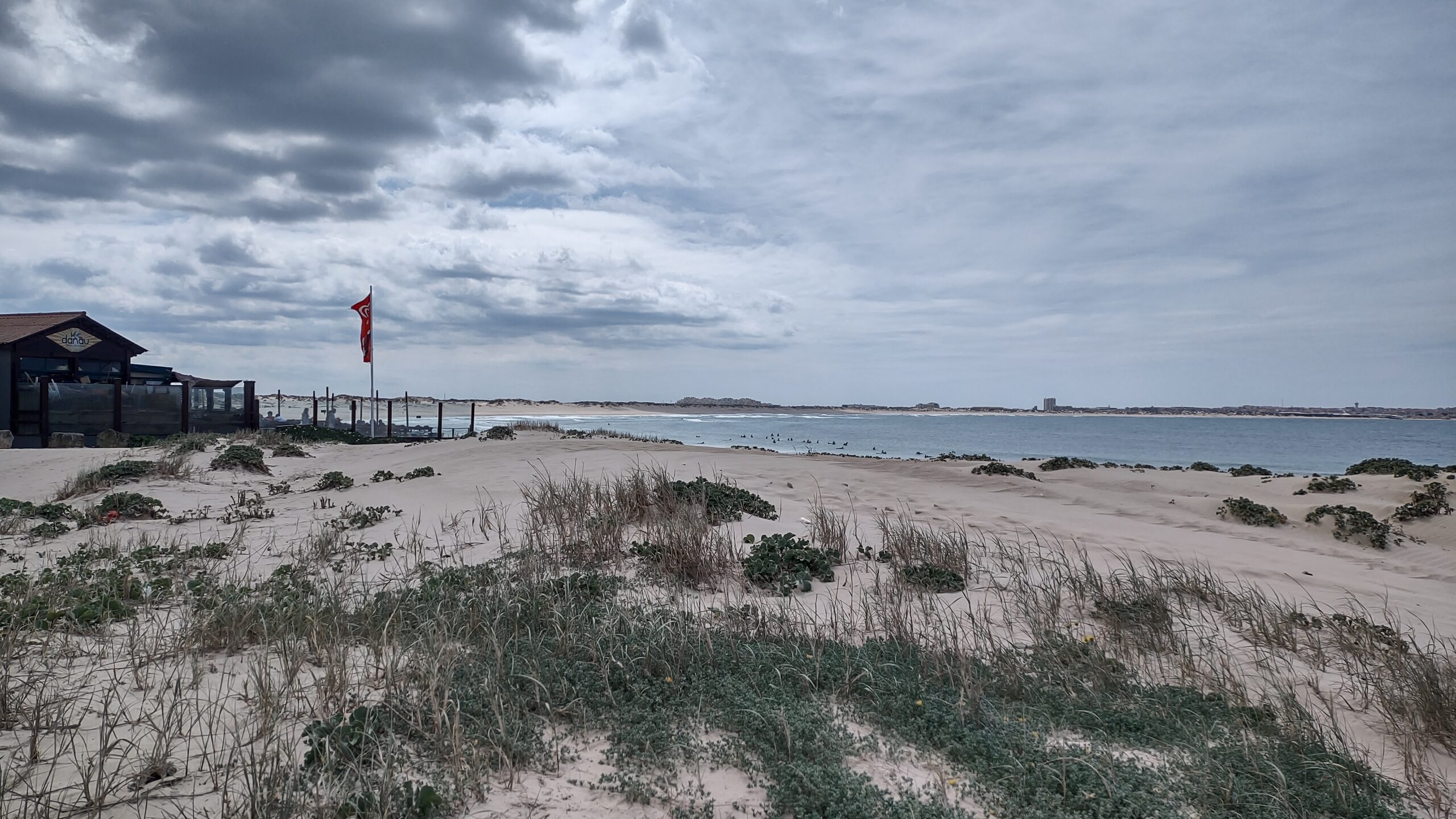
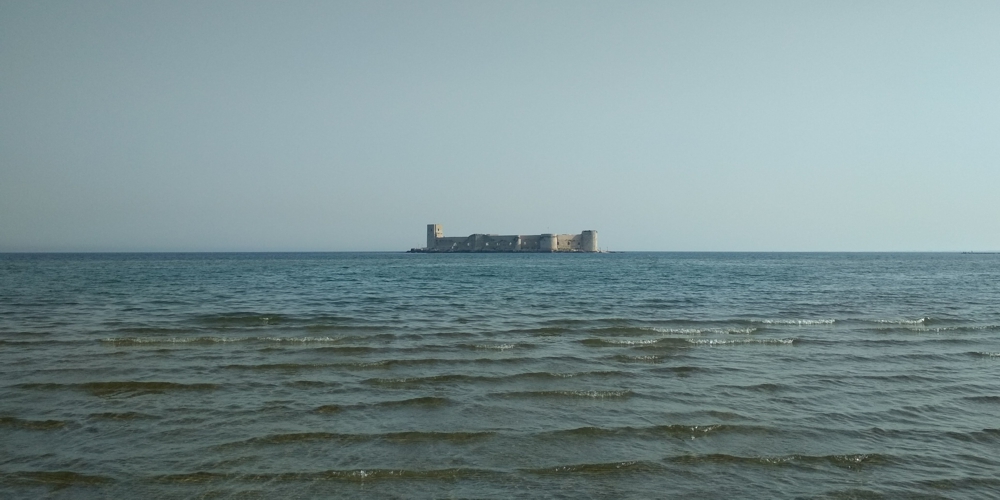
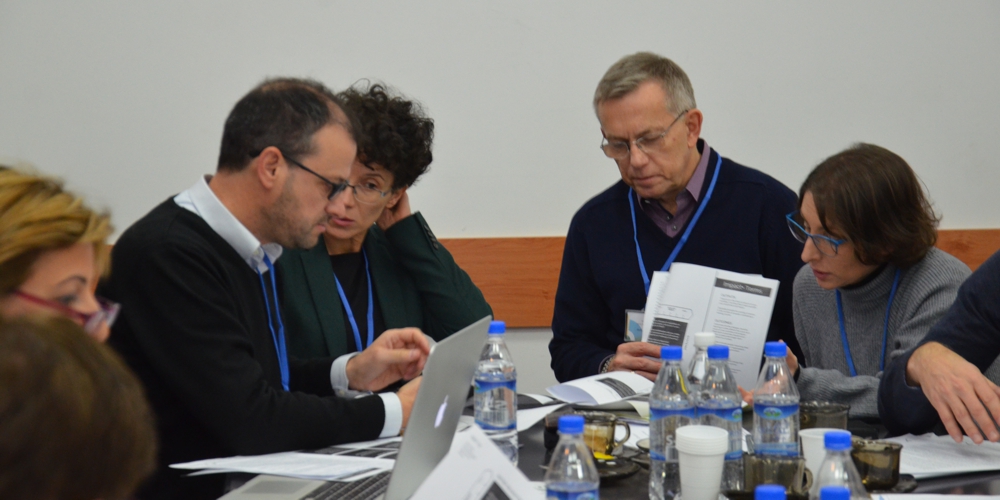
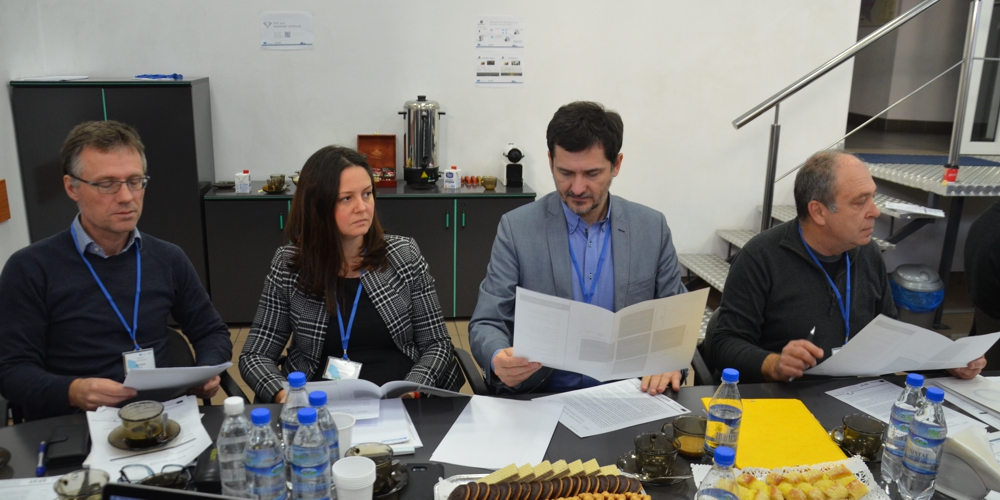
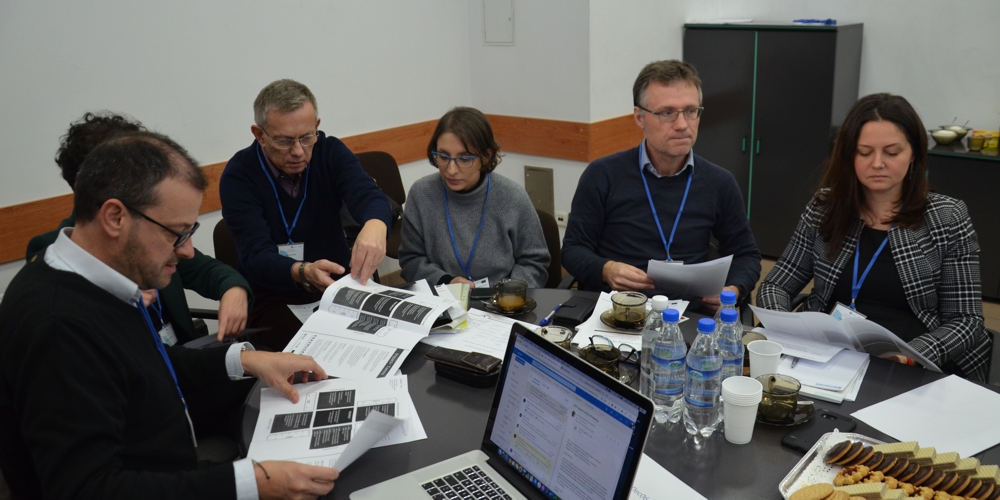
This principle shaped the SPOT teaching activities. Three intensive study visits were organised in different tourism contexts: Kızkalesi in Turkey, where students addressed heritage tourism and the challenges of mass and seasonal tourism; Peniche in Portugal, where the focus was on coastal development, tourism pressures and competing local interests; and Langhe-Roero and Monferrato in Italy, where students explored the complexity of sustainable development in a UNESCO-listed wine tourism region. Across these cases, students worked with methods including stakeholder analysis, GIS, SWOT analysis, scenario building and the formulation of policy recommendations.

From SPOT to DETERMINE

The experiences gathered during these activities taught us another important lesson: there is probably no final, perfect method for teaching complex sustainability challenges. Different destinations pose different problems. Student groups differ in their knowledge, skills and experiences. Local stakeholders bring different perspectives to the discussion. Methods that work particularly well in one context may need to be modified when transferred to another. Rather than treating this variability as a weakness, we began to understand it as an opportunity for systematic improvement.

The underlying principle is straightforward: design a method, apply it in a real-world context, evaluate what worked and what did not, learn from students, colleagues and stakeholders, and redesign it. Then do it again, and again. This is the idea behind DETERMINE – an iterative approach to designing, testing, evaluating and refining both the pedagogical methods we use and the planning methods we teach.

The process combines three main stages. Teachers first brainstorm and (re)design the methods to be applied. These methods are then tested through study visits and engagement with real planning problems. Finally, focus groups with participating students provide feedback that contributes to evaluation and further refinement. The results of one iteration therefore become an input into the next.

Importantly, this concerns two interconnected dimensions of education. The first is how we teach – the pedagogical methods through which students learn. The second is what we teach – the planning methods and tools students use to understand and address sustainability challenges. DETERMINE treats both dimensions as open to incremental improvement.

DETERMINE – An idea that continued after SPOT

The formal completion of SPOT in 2022 did not close this process. On the contrary, reflecting on what worked, what could be improved and how the experiences from the three study visits could be conceptualised more broadly continued after the project. Almost four years later, this reflection has resulted in the publication of our paper on DETERMINE in the Journal of Hospitality, Leisure, Sport & Tourism Education.

The paper discusses the incremental consolidation of the approach through the successive SPOT experiences and, importantly, treats DETERMINE as an open-ended process. Further iterations may incorporate new methods, respond to new educational contexts and address additional dimensions of sustainable spatial planning. In the paper, we therefore also consider possible future integrations, including multi-level spatiotemporal analysis, economic appraisal and further development of scenario-building approaches.

In this sense, the publication is not simply a summary of a completed Erasmus+ project. It demonstrates how the experiences and collaborations developed within a project can continue generating new ideas after its formal completion. Until 21 October 2026, the paper is freely available to everyone. Use this LINK.

Dissemination activities after the SPOT project’s completion

Following the completion of the project SPOT – Sustainable Spatial Planning of Tourism Destinations – we have allocated our savings towards conducting dissemination activities. Consequently, we have showcased our accomplishments at various conferences, including the Congress of Polish Geography, the AESOP 2023 Annual Congress: Integrated Planning in a World of Turbulence, and the 6th International Conference on Events ICE2023: Making Waves in Events. Additionally, we have published and contributed to the following papers and reports:

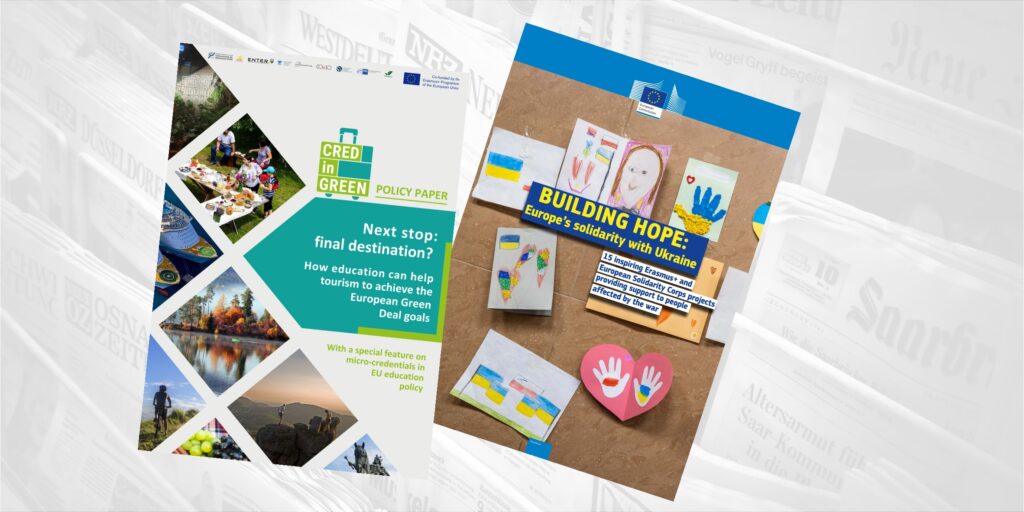
The SPOT project contributed to another European initiative, CREDinGREEN – Responding to Tourism Market Changes Caused by Covid-19 and the EU Green Deal through Micro-Credential-Certified Upskilling of SME Tourism Managers. Our aim was to explore how sustainable tourism planning and development can support the objectives of the European Green Deal. Within the SPOT project community, we believe that education and learning are pivotal in driving the green transition of Europe, with a particular focus on European tourism destinations. Therefore, the primary objective of our educational activities was to raise awareness among students, educators, and practitioners about the challenges associated with the spatial planning of tourism destinations and to prioritise sustainable development goals.

Colleagues from Mersin University, namely Yasemin Sarıkaya Levent, Ezgi Şahin, and Tolga Levent, recently published a paper titled “The Role of Tourism Planning in Land-Use/Land-Cover Changes in the Kızkalesi Tourism Destination.” Dissemination of the Turkish case within the SPOT project has been targeted by this publication. The goal of this article was to investigate the role of tourism planning processes in the spatial development of tourism destinations. The study conducted in Kızkalesi highlights deficiencies in policy, strategy, and spatial planning frameworks in directing and controlling Land-Use/Land-Cover changes. These deficiencies are not exclusive to Kızkalesi but may be relevant to other rapidly expanding small-scale tourism destinations.

On February 1, 2024, the European Commission unveiled the publication “Building hope: Europe’s solidarity with Ukraine.” Dissemination of 15 impactful Erasmus+ and European Solidarity Corps projects committed to aiding those affected by the war in Ukraine was the goal. We are proud that the SPOT project has been recognised as an exemplary practice. In response to the influx of refugees from Ukraine, the SPOT project, in collaboration with partners Faculty of Geographical Sciences at the University of Lodz, OpenStreetMap Poland, Polish Geographical Society, SoftwareMill, and Lodz.Travel, organised the MapoFaktura 2022 event. The objective was to evaluate the Lodz region’s capacity to temporarily host migrants using tourism facilities. The project empowered future tourism professionals with spatial data analysis and crisis management skills. It tackled geopolitical and socio-economic challenges, taking into account local needs and infrastructure accessibility. The territorial capacity to host migrants in the region of Lodz was thoroughly examined, considering the needs of local populations and the communication accessibility of discussed infrastructure. These remarkable achievements were recently showcased during the GeoNight international initiative.


Programme of study visit to Italy and local seminar

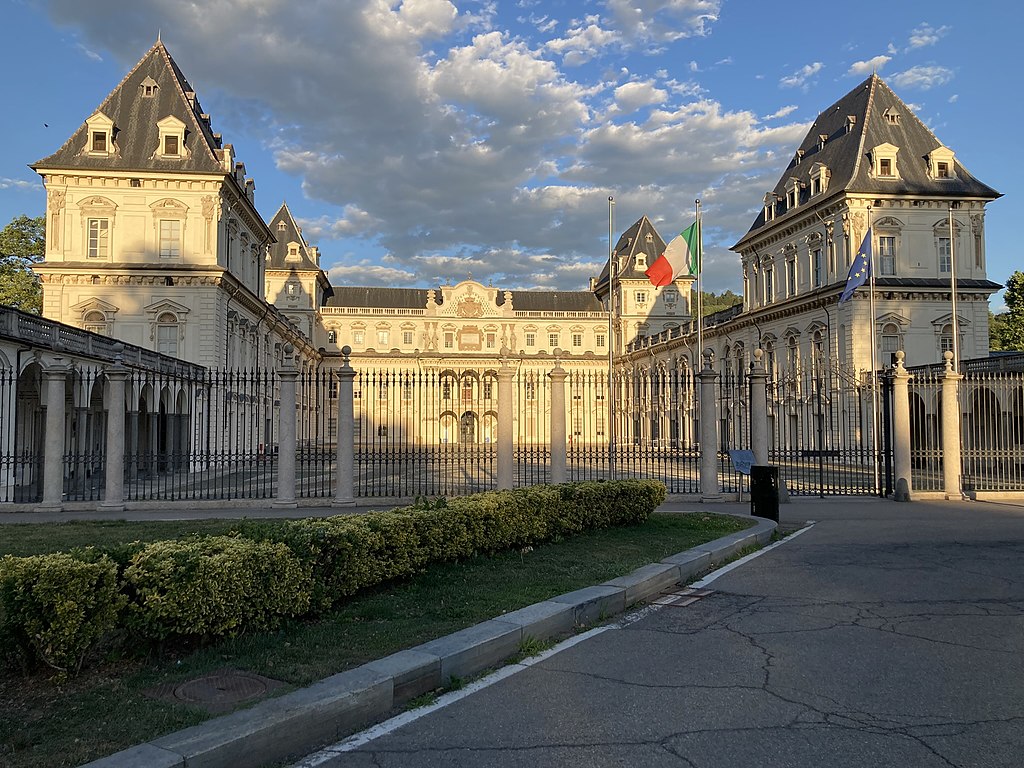
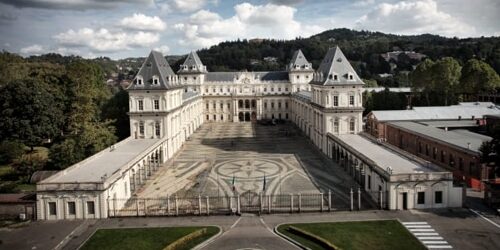
See the programme of study visit to Italy organised by the SPOT project. We are going to concern the case study of “vineyard landscape of Piedmont: Langhe-Roero and Monferrato”. All activities are presented in Italian time zone (CEST). Students and academicians are requested to take own laptops. You might also download the programme of the study visit to Italy as a PDF file, and the programme of the local seminar (PDF file).

Notes

September 19, 2022, Monday, Study visit Day 1

TimeActivityPresenter(s)Venue
09:45 – 10:00Meeting at Castello del ValentinoRoom 6V – Castello del Valentino
10:00 – 10:30WelcomeGiancarlo Cotella (POLITO, SPOT Partner Leader)
Andrea Bocco (DIST, Head of Department)
Marco Santangelo (POLITO, School of Planning and Design Vice-Head)
Tomasz Napierala (ULODZ, SPOT Project Manager)
Room 6V – Castello del Valentino
10:30 – 11:30Introduction to the Case Study AreaMarta Bottero / Vanessa Assumma (POLITO)Room 6V – Castello del Valentino
11:30 – 13:00Spatial Planning, Landscape Planning and Tourism in ItalyGiancarlo Cotella / Emma Salizzoni (POLITO)Room 6V – Castello del Valentino
13:00 – 14:30Lunch breakArmida Canoeing Club
14:30 – 15:30Subdivision into Groups & Meeting with the Tutors7 groups of students (each of 5-6 students from 5 different universities)
Each group is supported by 1-2 instructors
Room 6V – Castello del Valentino
15:30 – 16:15World Heritage Sites – Cultural Landscapes and TourismYasemine Sarikaya Levent (UMERSIN)Room 6V – Castello del Valentino
16:15 – 17:00The Challenges of Climate ChangeVanessa Assumma (POLITO)Room 6V – Castello del Valentino
17:00 – 17:30Break
17:30 – 18:15Enhancing Sustainable Tourism in Rural Areas – Mobility ChallengesElisabetta Vitale Brovarone (POLITO)Room 6V – Castello del Valentino
18:15 onwardsFree Evening

September 20, 2022, Tuesday, Study visit Day 2

TimeActivityPresenter(s)Venue
08:30 – 09:45BUS travels to the case study areaMarta Bottero / Vanessa Assumma (POLITO)Castello del Valentino – Serralunga d’Alba
09:45 – 10:15Exploratory walk in Serralunga d’Alba TownSerralunga d’Alba
10:15 – 12:15“Locals talking” – Discussion with various stakeholders from the case study areaVanessa Assumma (POLITO)Maria Cappellano Square, Serralunga d’Alba
12:30 – 13:30Lunch time (Lunch box)Verduno Belvedere
14:00 – 16:00Visit in the WiMu Wine Museum in BaroloFalletti Castle, Falletti Square, Barolo
16:00 – 17:30Scenic walk from Barolo to La Morra BelvedereBarolo – La Morra (Download GPX file for your GPS device)
17:30 – 18:45BUS travels back to TorinoLa Morra – Castello del Valentino

September 21, 2022, Wednesday, Study visit Day 3

TimeActivityPresenter(s)Venue
09:00 – 10:30Workshop: Stakeholder AnalysisKatarzyna Leśniewska-Napierała / Marta Nalej (ULODZ)Room 6V – Castello del Valentino
10:30 – 12:30Students working in groups on stakeholder analysis7 groups of students (each of 5-6 students from 5 different universities)
Each group is supported by 1-2 instructors
Room 6V – Castello del Valentino
12:30 – 14:00 Lunch breakArmida Canoeing Club
14:00 – 15:00Workshop: How to Support Decision Making EffectivelyVanessa Assumma (POLITO)Room 6V – Castello del Valentino
15:00 – 17:00Participated SWOT Analysis: Students working in groups7 groups of students (each of 5-6 students from 5 different universities)
Each group is supported by 1-2 instructors
Room 6V – Castello del Valentino
17:00 – 17:30Break
17:30 – 19:00Students working in groups7 groups of students (each of 5-6 students from 5 different universities)
Each group is supported by 1-2 instructors
Room 6V – Castello del Valentino
20:30 onwardsSocial dinnerLo Sbarco – Via Silvio Pellico 5

September 22, 2022, Thursday, Study visit Day 4

TimeActivityPresenter(s)Venue
09:00 – 12:30Workshop: Writing Actionable Policy RecommendationsKatarzyna Leśniewska-Napierała / Marta Nalej (ULODZ), Yasemine Sarikaya Levent, Tolga Levent (UMERSIN)Room 6V – Castello del Valentino
10:30 – 12:30SPOT Consortium MeetingIn parallel to the working groups (max 2 persons per every SPOT Project Partner)Room Astengo
12:30-14:00Lunch break
14:00 – 18:30Students working in groups7 groups of students (each of 5-6 students from 5 different universities)
Each group will be supported by 1-2 instructors
Room 6V – Castello del Valentino
18:30 onwardsFree (working…) evening

September 23, 2022, Friday, Local seminar

TimeActivityPresenter(s)Venue
09:00 – 09:15Welcome speechGiancarlo Cotella (POLITO)Room 6V – Castello del Valentino
09:15 – 09:30Presentation of the SPOT ProjectTomasz Napierała / Katarzyna Leśniewska-Napierała (ULODZ)Room 6V – Castello del Valentino
09:30 – 11:00Students’ presentation. Round I15 minutes presentation and 5 minutes of discussion for each of 3-4 groupsRoom 6V – Castello del Valentino
11:00 – 11:30Break
11:30 – 13:00Students’ presentation. Round II15 minutes presentation and 5 minutes of discussion for each of 3-4 groupsRoom 6V – Castello del Valentino
13:00 – 14:30Lunch breakArmida Canoeing Club

September 23, 2022, Friday, Study visit Day 5

TimeActivityPresenter(s)Venue
14:30 – 16:00Evaluation of educational effectiveness of teaching on the spotInstructors (2 per group) will conduct focus with each of students’ groupRoom 6V – Castello del Valentino
16:00 – 16:30Summary of the study visit to ItalyRoom 6V – Castello del Valentino

Konrad Czapiewski died on August 25, 2022

Konrad Czapiewski died on August 25, 2022, during his trip to Mexico. This is shocking and devastating news for the whole community of the SPOT project. We send our deepest condolences to the family and friends for your loss.

Konrad Czapiewski led the SPOT project’s team of the Institute of Geography and Spatial Organisation Polish Academy of Sciences. He was a human geographer, an associate professor at the Department of Rural Geography and Local Development. Konrad was one of the most active members of the Polish Geographical Society, national representative of the Association of Geographical Societies in Europe EUGEO, known and extremely liked in the international geographic community. His interests focused on the subject of rural development.

Konrad was a very-best friend for many of us. He was always cheerful and optimistic about life. He talked a lot and beautifully about travelling, which was his greatest passion. Nothing was impossible for him, so he willingly offered advice on many spheres of everyday life and work. We will all remember his brilliant comments in ongoing scientific discussions during our meetings. Konrad was a person with an extraordinary geographical sensitivity to the surrounding world, which he was able to observe closely.
There are common dreams, ideas, already started publications, projects and initiatives that we will have to implement and develop, unfortunately, without his participation.

Rest in peace our dearest Friend!

Programme of study visit to Portugal and local seminar

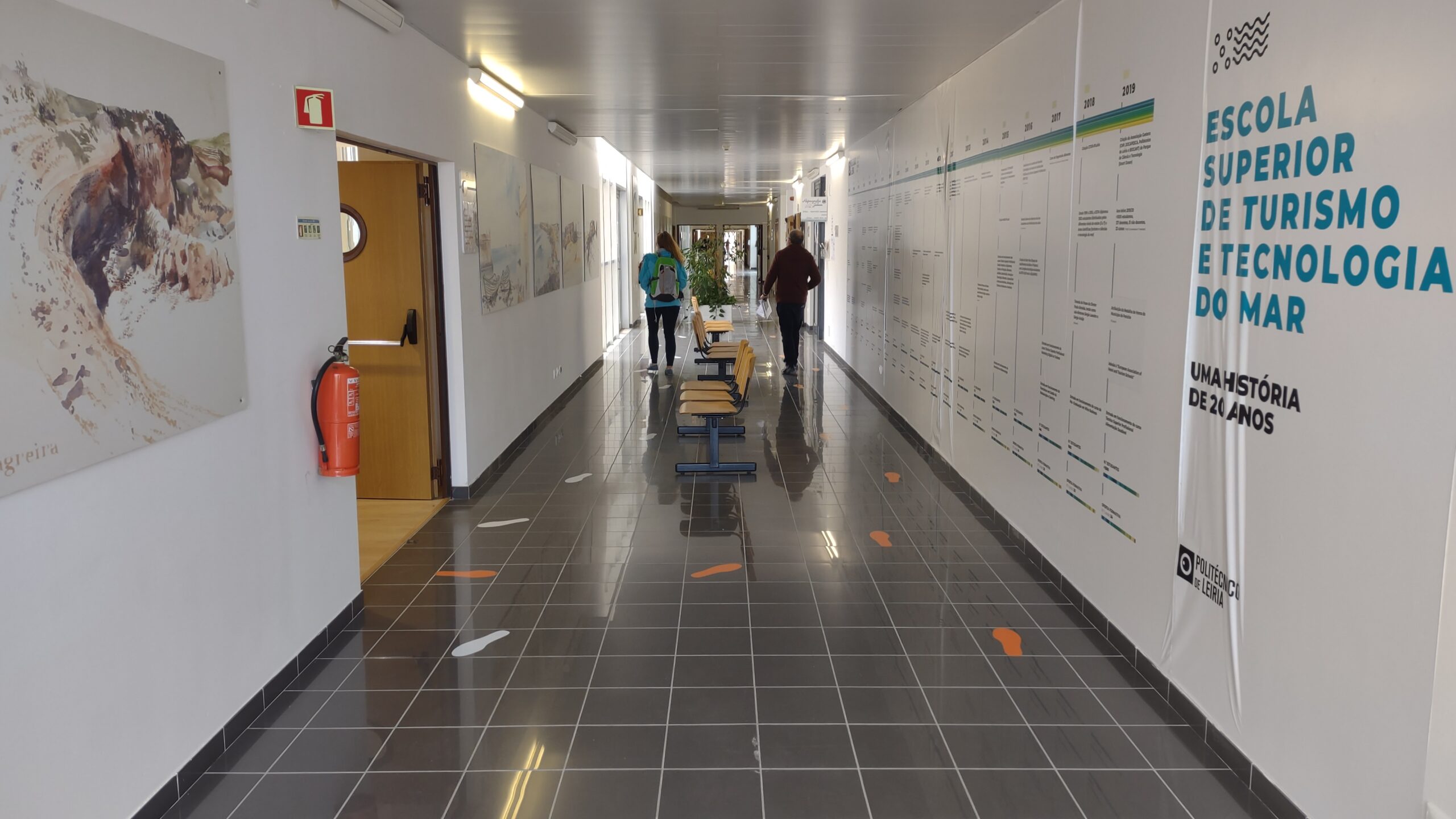
All activities are presented in Portuguese time zone (GMT+1). Students and academicians are requested to take own laptops. ESTM means School of Tourism and Maritime Technology, Polytechnic of Leiria. You might also download the programme of the study visit to Portugal as a PDF file, and the programme of the local seminar (PDF file).

May 9, 2022, Monday, Study visit Day 1

TimeActivityPresenter(s)Venue
10:40Departure from the hotelStar Inn Hotel
11:00 – 11:30Campus tourESTM
11:30 – 12:00Welcome speechesJoão Paulo Jorge (Polytechnic of Leiria)
Luís Lima Santos (CiTUR Leiria)
Tomasz Napierała (University of Lodz)
Sérgio Leandro (Dean of School of Tourism and Maritime Technology)
ESTM Auditorium
12:00 – 13:00LunchESTM Canteen
13:00 – 13:30Assignment of the task7-8 groups of students (each of 5-6 students from 5 different universities)
Each group will be supported by an instructor
ESTM Workshop Room
13:30 – 15:30Workshop: QGIS and web-mapping for case study analysisMarta Nalej (University of Lodz)ESTM Workshop Room
15:30 – 15:45Break
15:45 – 17:45Workshop: Challenges of Europeanisation from different perspectivesKrzysztof Janc (University of Wroclaw)ESTM Workshop Room
Project meetingTomasz Napierała (University of Lodz)(tbc)
17:45 – 18:00Break
18:00 – 19:00Lecture: Baleal Beach case studyJoão Paulo Jorge / Fernanda Oliveira (Polytechnic of Leiria)ESTM Workshop Room
19:15Bus leaves for the hotelESTM Car Parking Area

May 10, 2022, Tuesday, Study visit Day 2

TimeActivityPresenter(s)Venue
08:45Departure from the hotelStar Inn Hotel
09:30 – 11:00Óbidos
11:30 – 12:30Praya d’el Rey
13:00 – 14:30Lunch breakFree timeBaleal Beach
14:30 – 15:30Baleal Beach site studyESTM TeamBaleal Beach
16:15 – 17:15“Locals talking” – Table discussion with local stakeholdersLocal stakeholders from Baleal BeachESTM Workshop Room
17:30Bus leaves for the hotelESTM Car Parking Area

May 11, 2022, Wednesday, Study visit Day 3

TimeActivityPresenter(s)Venue
08:40Departure from the hotelStar Inn Hotel
09:00 – 11.00Workshop: Scientific report writingEven Tjørve (Inland Norway University of Applied Sciences) / Tomasz Napierała (University of Lodz)ESTM Workshop Room
11:00 – 11:15 Break
11:15 – 12:45Workshop: Stakeholder analysis. Round IKatarzyna Leśniewska-Napierała / Marta Nalej (University of Lodz)ESTM Workshop Room
12:45 – 13:45Lunch breakESTM Canteen
13:45 – 15:15Workshop: Stakeholder analysis. Round IIKatarzyna Leśniewska-Napierała / Marta Nalej (University of Lodz)ESTM Workshop Room
15:15 – 15:30Break
15:30 – 17:30Workshop: How to support decision making effectivelyVanessa Assumma (Politecnico di Torino)ESTM Workshop Room
17:45Bus leaves for the hotelESTM Car Parking Area
20:00Social dinnerStar Inn Hotel

May 12, 2022, Thursday, Study visit Day 4

TimeActivityPresenter(s)Venue
08:40Departure from the hotelStar Inn Hotel
09:00 – 12:00Workshop: Writing actionable policy recommendationsDenis Cerić / Konrad Czapiewski / Marcin Mazur (Polish Academy of Sciences)ESTM Workshop Room
12:00-13:00Lunch break
13:00 – 17:15Students’ group studies7-8 groups of students (each of 5-6 students from 5 different universities)
Each group will be supported by an instructor
ESTM Workshop Room
17:30Bus leaves for the hotelESTM Car Parking Area
18:00Facultative students’ group studiesTo be agreed and organized by students

May 13, 2022, Friday, Local seminar

TimeActivityPresenter(s)Venue
08:40Departure from the hotelStar Inn Hotel
09:00 – 09:15Welcome speechJoão Paulo Jorge (Polytechnic of Leiria)ESTM Workshop Room
09:15 – 09:30Idea of SPOT projectTomasz Napierała / Katarzyna Leśniewska-Napierała (University of Lodz)ESTM Workshop Room
09:30 – 11:00Students’ presentation. Round I15 minutes presentation and 5 minutes of discussion for each of 3-4 groupsESTM Workshop Room
11:00 – 11:15Break
11:15 – 12:45Students’ presentation. Round II15 minutes presentation and 5 minutes of discussion for each of 3-4 groupsESTM Workshop Room
12:45 – 13:45Lunch breakESTM Canteen

May 13, 2022, Friday, Study visit Day 5

TimeActivityPresenter(s)Venue
13:45 – 14:45Evaluation of educational effectiveness of teaching on the spotInstructors (2 per group) will conduct focus with each of students’ groupESTM Workshop Room
14:45 – 15:15Summary of the study visit to PortugalESTM Workshop Room
15:30Bus leaves for the hotelESTM Car Parking Area

Meet Hnat, our Ukrainian colleague

Meet Hnat Sumyshyn, Ukrainian student of the Faculty of Geographical Sciences at University of Lodz in Poland. Now, he is a master student of spatial planning and organisation programme and a member of the students’ community of the project ‘SPOT. Sustainable Spatial Planning of Tourism Destinations’. He also participated in our study visit to Turkey. In this terrible and uncertain time of military invasion of Russia against Ukraine we would like to share the story of Hnat and his opinion on the situation in his homeland.

Hnat grew up in Kyiv. After completing bachelor studies at the National University of Taras Shevchenko he moved to Poland. He wanted to make his dream of living a new life, in a new country, on his own rules come true. Hnat underlined that the language and culture of Poland and Ukraine are so similar. That makes the adaptation easy. And Lodz. From the perspective of a Ukrainian student, mundane things like costs of living really matter. Hnat also mentioned the attractiveness of the educational offer and social support of University of Lodz. From the perspective of an international student interested in geography and Geographical Information Systems in particular, the Faculty of Geographical Sciences at University of Lodz was the best choice.

All friends of Hnat know that he is an avid runner. We asked him about his hobby, and then realised that it is much more than a hobby. Hnat said: “I have been running for 3 years. From my perspective this is much more than just physical activity. It’s about lifestyle. (…) In these difficult times, running helps me relieve stress and explore myself for a while. And in general, I think a day without any sport activity is a day wasted.

We asked Hnat about the current situation in Ukraine. Hnat found out what happened from his friend. After that, innumerable messages began to flow in. Hnat said: “I understood everything but didn’t believe it.” At the moment, Hnat is in constant contact with his parents in Kiev. For now, their situation is very difficult. Due to the risk of air raids they often spend the nights in the basement. Hnat feels safe in Poland, but his thoughts are always with his parents.

Hnat believes that declaring war on the Ukrainian people, which values their own freedom above all else, is a great mistake of Putin. He tells the Russians directly: “This is our land and no one wants you here! We will fight to the end! (…) Dear Russian mothers, grandmothers, wives, sisters, do you understand that your sons, husbands, grandchildren and brothers are going to certain and senseless death?” Hnat does not hide his gratitude to the Western countries for the decisive answer. And to the Poles he says directly: “You guys are great! I have seen how many of you are involved in fundraising and helping.

We asked Hnat about any requests or suggestions to the community of the SPOT project regarding the recent situation in Ukraine. And the only thing was the truth. To tell the truth about Ukraine, the country which defends not only itself but the whole Europe, and European values. And those values are also the core values of our project.

Programme of study visit to Turkey and local seminar

Mind to convert the time zone when out of Turkey. All activities of study visit are presented in Turkish time zone (GMT+3). You might also download the programme of the study visit as a PDF file, and the programme of the local seminar (PDF file).

December 6, 2021, Monday, Study visit Day 1

TimeActivityPresenter(s)Venue
11:40Departure from the hotelDivan Hotel
12:00 – 12:30Campus tour
12:30 – 14:00LunchTourism Faculty Garden
14:00 – 14:30Welcome speechesKemal Birdir (Mersin University), Tomasz Napierała (University of Lodz), Ahmet Atasoy (Dean, Tourism Faculty), Mehmet İsmail Yağcı (Dean, Faculty of Architecture), Ahmet Çamsarı (Rector, Mersin University)Faculty of Architecture (FA) Conference Hall
14:30 – 15:15Sustainable tourism developmentJoão Paulo da Conceição Silva Jorge (Polytechnic of Leiria)FA Conference Hall
15:15 – 15:30BreakFA Foyer
15:30 – 16:15Fundamentals of spatial planningGiancarlo Cotella (Politecnico di Torino)FA Conference Hall (online)
16:15 – 16:30BreakFA Foyer
16:30 – 17:15Local attraction centre KızkalesiYasemin Sarıkaya Levent, Tolga Levent, Kemal Birdir & Sevda Sahilli Birdir (Mersin University)FA Conference Hall
17:25Bus leaves for the hotelFA Car Parking Area

December 7, 2021, Tuesday, Study visit Day 2

TimeActivityPresenter(s)Venue
08:15Departure from the hotelDivan Hotel
09:15 – 10:15Kanytellis Archaeological Site
10:45 – 11:45Heaven-Hell Pits
12:00 – 13:00Lunch breakKızkalesi Rain Café
13:00 – 14:30“Locals talking I” – Round table discussion with local stakeholders from KızkalesiLocal stakeholders from KızkalesiKızkalesi Rain Café
14:30 – 17:30Kızkalesi site study
17:45Bus leaves for the hotel

December 8, 2021, Wednesday, Study visit Day 3

TimeActivityPresenter(s)Venue
08:40Departure from the hotelDivan Hotel
09:00 – 09:15Introduction and organization of the student workshopsFA Planning Studio II
09:15 – 11:00Workshop 1: Writing actionable policy recommendationsKonrad Czapiewski, Denis Cerić & Marcin Mazur (Polish Academy of Sciences)FA Planning Studio II
11:00 – 11:15BreakFA Foyer
11:15 – 13:00Workshop 2: Stakeholder analysisKatarzyna Leśniewska-Napierała & Marta Nalej (University of Lodz)FA Planning Studio II
13:00 – 14:00Lunch breakMeU Center
14:00 – 14:45Challenges for tourism resulting from global warming and economic changeEven Tjørve (Inland Norway University of Applied Sciences)FA Conference Hall (online)
14:45 – 15:00BreakFA Foyer
15:00 – 17:00“Locals talking II” – Round table discussion with local stakeholders from MersinLocal stakeholders from MersinFA Exhibition Hall
17:15Bus leaves for the hotelFA Car Parking Area

December 9, 2021, Thursday, Study visit Day 4

TimeActivityPresenter(s)Venue
08:40Departure from the hotelDivan Hotel
09:00 – 12:00Group studies3 groups of students (each of 7-8 students from 3 different universities)FA Exhibition Hall, FA Graduate Studio, FA Workshop Room
12:00-13:00Lunch breakMeU Center
13:00-15:00Group studies3 groups of students (each of 7-8 students from 3 different universities)FA Exhibition Hall, FA Graduate Studio, FA Workshop Room
Project meetingTomasz Napierała (University of Lodz)FA Meeting Hall
15:00 – 15:15BreakFA Foyer
15:15-16:15Discussion on students’ presentations I and IIStudents together with instructorsFA Conference Hall
16:15 – 16:30BreakFA Foyer
16:30-17:00Discussion on students’ presentation IIIStudents together with instructorsFA Conference Hall
17:15Bus leaves for the hotelFA Car Parking Area

December 10, 2021, Friday, Local seminar

TimeActivityPresenter(s)Venue
08:40Departure from the hotelDivan Hotel
09:00 – 09:30Idea of SPOT projectTomasz Napierała & Katarzyna Leśniewska-Napierała (University of Lodz)FA Conference Hall
09:30 – 09:45BreakFA Foyer
09:45 – 10:15Issues of tourism development and spatial planningTolga Levent, Yasemin Sarıkaya Levent, Kemal Birdir & Sevda Sahilli Birdir (Mersin University)FA Conference Hall
10:15 – 10:30BreakFA Foyer
10:30 – 12:00Students’ presentation20 minutes presentation for each of 3 groups and 30 minutes discussion at the endFA Conference Hall
12:00 – 12:30Long breakFA Foyer

December 10, 2021, Friday, Study visit Day 5

TimeActivityPresenter(s)Venue
12:30 – 13:30Evaluation of educational effectiveness of teaching on the spot2 academicians from each team: Turkish, Portuguese, and Polish, to conduct focus with each of students’ groupFA Exhibition Hall, FA Graduate Studio, FA Workshop Room
13:30 – 13:45BreakFA Foyer
13:45 – 14:30Summary of the study visit to TurkeyFA Meeting Hall
15:00Free time
18:00Gala dinnerDivan Hotel

Kick-off meeting

The SPOT project started officially on December 1, 2019. However, kick-off meeting was organized few days after, on Friday and Saturday, December 6 and 7. All project partners met in Warsaw (Poland). We were hosted by Institute of Geography and Spatial Organization Polish Academy of Sciences.

The goal of the kick-off meeting was to meet each other and discuss the following topics: idea and goals of the SPOT project, management, administration and finances in the project, procedures and tools of dissemination and communication, visual identity of the SPOT project. We have also discussed content of the outputs like theoretical framework on European tourism spatial planning, handbook on tourism spatial planning in Europe, and manual for academicians teaching sustainable spatial planning of tourism destinations. Finally, we shared our ideas of study visits.

Less than three months after kick-off meeting, first COVID-19 cases were evidenced in Italy, the country of one partner institution – Politecnico di Torino. Then pandemic outbreak was evidenced across other European countries. This has changed everything, including SPOT project. We had to cancel or postpone already planned mobilities, and change or frozen most of our scheduled activities. However, we still believe there is a chance for SPOT project to achieve promised outputs and goals.

Keep fingers crossed for us!

Meet the team of Institute of Geography and Spatial Organization PAS

Stanisław Leszczycki Institute of Geography and Spatial Organization Polish Academy of Sciences was founded in 1953 (initially as the Institute of Geography PAS). The Institute is an important research centre in Poland in the fields of socio-economic geography, physical geography as well as spatial organization. Within the framework of the Institute, the Central Library of Geography and Environmental Protection is operating, this being one of the largest library centres of the kind in the world. The Institute’s special asset is an active involvement in international scientific collaboration that, in recent years, have resulted in participation in more than 100 scientific and practical programmes and projects. In addition, in the last decade there have been ca. 200 national research and practical projects, expert evaluations, etc., which have been carried out by the Institute. Annual publishing output of Institute’s academicians comes to a total of 200 published items (e.g. peer-reviewed articles, monographs, notes, etc.), including Institutes’ journals (e.g. Geographia Polonica, Europa XXI) and publication series.

Konrad Czapiewski leads the SPOT project’s team of Institute of Geography and Spatial Organisation Polish Academy of Sciences. He is an Associate Professor at the Department of Rural Geography and Local Development. His broad research interest is human geography and particularly rural geography. He obtained the doctoral academic degree in 2010 and habilitation academic degree in 2021. Since 2003 he is an active member of the Main Board of Polish Geographical Society (six terms) and its Commission for Rural Areas. Since 2019 he is a member of the Main Board of Committee for Spatial Economy and Regional Planning, Polish Academy of Sciences. Since 2013 he holds the position of the editor-in-chief of the journal Studia Obszarów Wiejskich (Rural Studies). He authored or co-authored 114 publications, participated in 57 projects (granted by e.g. H2020, FP7, ESPON, World Bank, NCN, Erasmus+, Polish ministries and regions) and gave 120 conferences’ presentations (including 25 as a guest or keynote speaker).

Denis Cerić is a research assistant at the Department of Urban and Population Studies, Institute of Geography and Spatial Organisation Polish Academy of Sciences. His broad research interest is tourism geography, international cooperation and cross-border studies. For several years, he managed a production department in Atlas, the largest tour operator company in Croatia. For seven years, he was working as a lecturer at the Alcide de Gasperi University of Euroregional Economy in Józefów-Warsaw on several tourism-related subjects such as “Tourism destination – management and planning”, “Introduction to Tourism”, “Tourism Markets” and “Tourism Economics”. In the SPOT project he holds the position of Dissemination Manager.

Marcin Mazur is a member of SPOT project’s team and employee of Institute of Geography and Spatial Organisation Polish Academy of Sciences. He is an Assistant Professor at the Department of Rural Geography and Local Development. His research interest is quantitative methods in human geography (particularly in rural geography) and cartography. He obtained the doctoral academic degree in 2017, dissertation title: Cartographic method and the perception of the statistical map’s content. Since 2009 he is an active member of the Main Board of Polish Geographical Society and its Commission on Rural Areas. He holds the position of the cartographic editor of two journals: Studia Obszarów Wiejskich (Rural Studies) and Przegląd Geograficzny (Geographical Review). He authored or co-authored more than 70 publications, and participated in numerous projects (granted by e.g. H2020, FP7, ESPON, World Bank, NCN, Erasmus+, Polish ministries and regions).

Who is who in the team of Mersin University

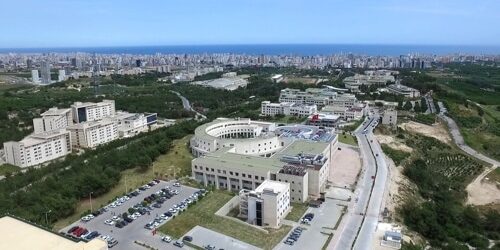
Mersin University was established on 3 July 1992 and initiated its activities on 10 November 1992. In the academic year of 1993-1994, Mersin University started its education by admitting students to the Faculty of Arts and Sciences, Faculty of Fine Arts, Faculty of Economics and Administrative Sciences, Faculty of Engineering, School of Tourism and Hotel Management, Mersin Vocational School, Gülnar Vocational School, Mut Vocational School, Tarsus Vocational School and Institute of Science and Social Sciences which carries out postgraduate programs. Since its establishment, Mersin University has increased the number of its faculties to 16, the number of its colleges to 7, the number of its vocational schools to 11, the number of its institutes to 5, and the number of its research centres to 34. Today, with around 50,000 students, Mersin University is one of the largest Universities in Turkey with well-established ties with national and international institutions and has a very strong education and research base that continue to grow in education, research and social grounds.

Kemal Birdir leads the team of Mersin University. He is a tourism academician. He earned his bachelor degree in Tourism Management in 1989 from Cukurova University, Mersin School of Tourism and Hotel Management. The same year he was assigned as a research assistant in the same school and awarded a scholarship to complete his graduate degrees abroad. In 1994, he earned his MBA degree in Tourism Management from Hawaii Pacific University and in 1998, PhD at Purdue University’s Restaurant, Hotel, Institutional and Tourism (RHIT) program. He had researcher and consultant positions in different European Union projects. Since 1998, he was working at Mersin University School of Tourism and Hotel Management (now Tourism Faculty) and currently is a Professor at Hotel Management program at the same Faculty. He served as the dean of the Faculty between 2015 and 2020. His main fields of research are tourism management, human resources management and tourism planning. He is a member of Association of Tourism Academicians (TUADER).

Sevda Sahilli Birdir is a tourism academician. She earned a BS degree from School of Tourism and Hotel Management at Mersin University in 1998 and received her Master’s degree in 2001 again from School of Tourism and Hotel Management at Mersin University. She worked as a lecturer between 2001 and 2006 in Nevsehir Vocational School of Erciyes University. She earned her PhD degree in 2009 in Erciyes University, Department of Production Management and Marketing. Between 2006 and 2012, she was a lecturer in Social Science Vocational School of Mersin University. She received her title of associate professor at the Science of Tourism field in 2017. Currently, she is working as an associate professor in the Department of Tourism Guidance in Tourism Faculty of Mersin University. She had researcher positions in different European Union projects. Her main fields of work are tourism marketing and tourism management.

Tolga Levent is an urban planner and works at the Faculty of Architecture in the Department of City and Regional Planning. His scientific interest is mainly focused on the spatial organization of service activities, with a special emphasis on urban centres. He is also interested in regional innovation strategies, urban regeneration, migration, and urban resilience. He has taken active roles in educational partnerships at both national and international levels.

Yasemin Sarıkaya Levent is an urban planner. She has been working as assistant professor at the Department of City and Regional Planning, Mersin University since 2009. She had researcher and consultant positions in different projects. Her main interests are urban conservation, cultural heritage management, and urbanisation history. She is a member of Turkish Union of Chamber of City Planners since 2009, ICOMOS Turkey since 2017, and ICLAFI since 2018.

menu icon